May 7, 2025 · Project Management · ShaktiPunj
Setting up a new steel, power or process plant is one of the largest decisions a company makes. Costs are committed early, and mistakes made on paper become expensive in concrete and steel. A clear, staged engineering process keeps the project on budget and on time.
Stage 1: Feasibility study
The feasibility study answers the basic question: does this project make technical and financial sense? It covers raw material and utility availability, process route, plant capacity, site selection, capital cost estimate and the expected return. Banks and financial institutions use it to assess the project.
Stage 2: Basic engineering
Once the project is approved, basic engineering fixes the process flow, main equipment sizes, plant layout and utility requirements. Getting the layout right at this stage saves money for the life of the plant: shorter conveyors, fewer pipe crossings and safe access for maintenance.
Stage 3: Tender documents and vendor selection
- Technical specifications for each package
- Bills of quantities and scope boundaries between vendors
- Techno-commercial evaluation of bids on a like-for-like basis
- Clarification meetings so nothing is left to assumption
Stage 4: Detailed engineering
Civil, structural, mechanical, electrical and instrumentation drawings are prepared and coordinated. Interface points between packages are checked so that a pipe rack, a cable tray and a conveyor gallery do not compete for the same space.
Stage 5: Construction and commissioning
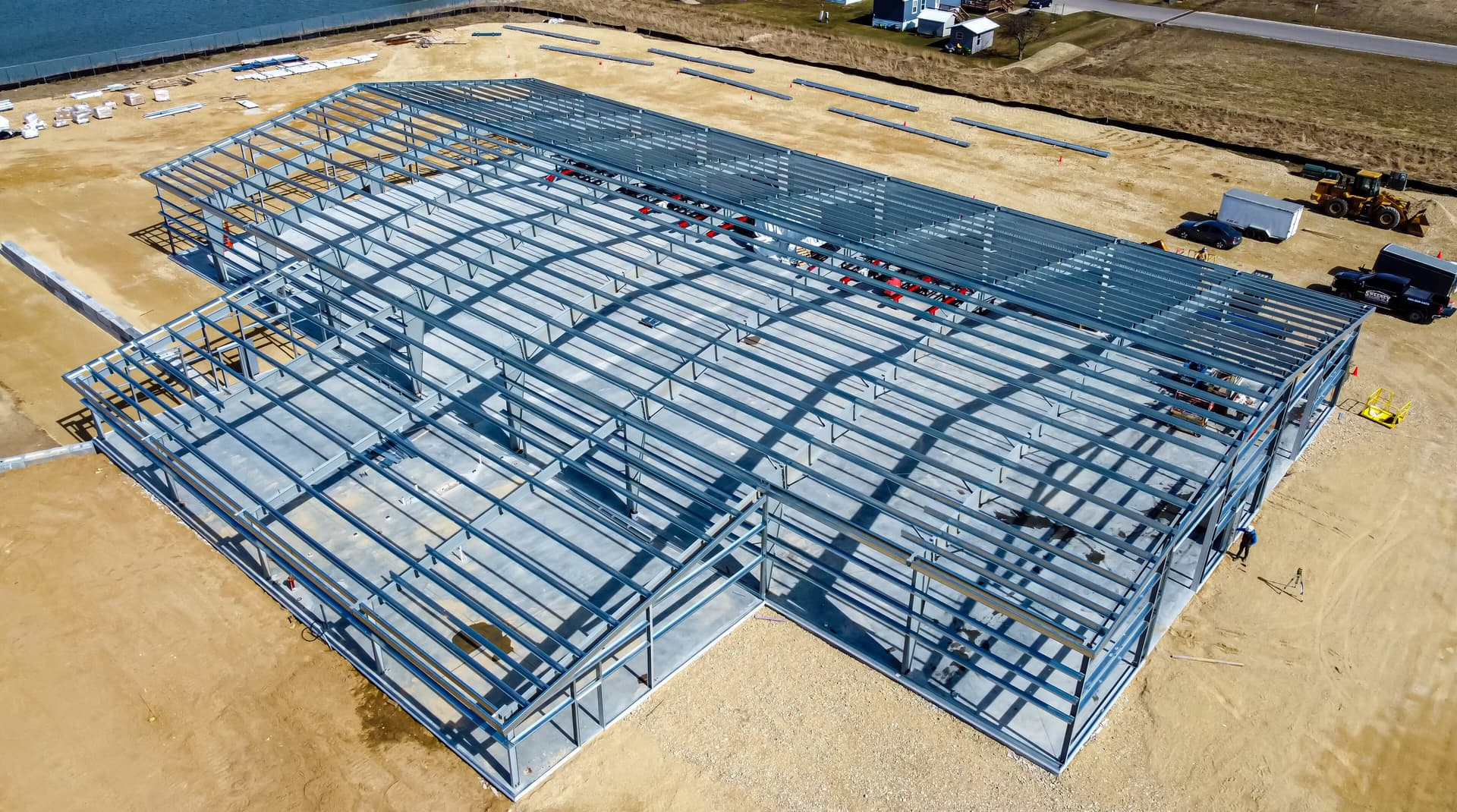
During construction the focus shifts to quality checks, safety, progress monitoring and resolving site queries quickly. Commissioning then proves each system before the plant is handed over for operation.
One team across the stages
When the same engineering team stays involved from feasibility to commissioning, decisions stay consistent and nothing is lost between handovers. That continuity is what ShaktiPunj offers its clients.
Tags: Feasibility StudyDetailed EngineeringProject ManagementCommissioning